Quick answer
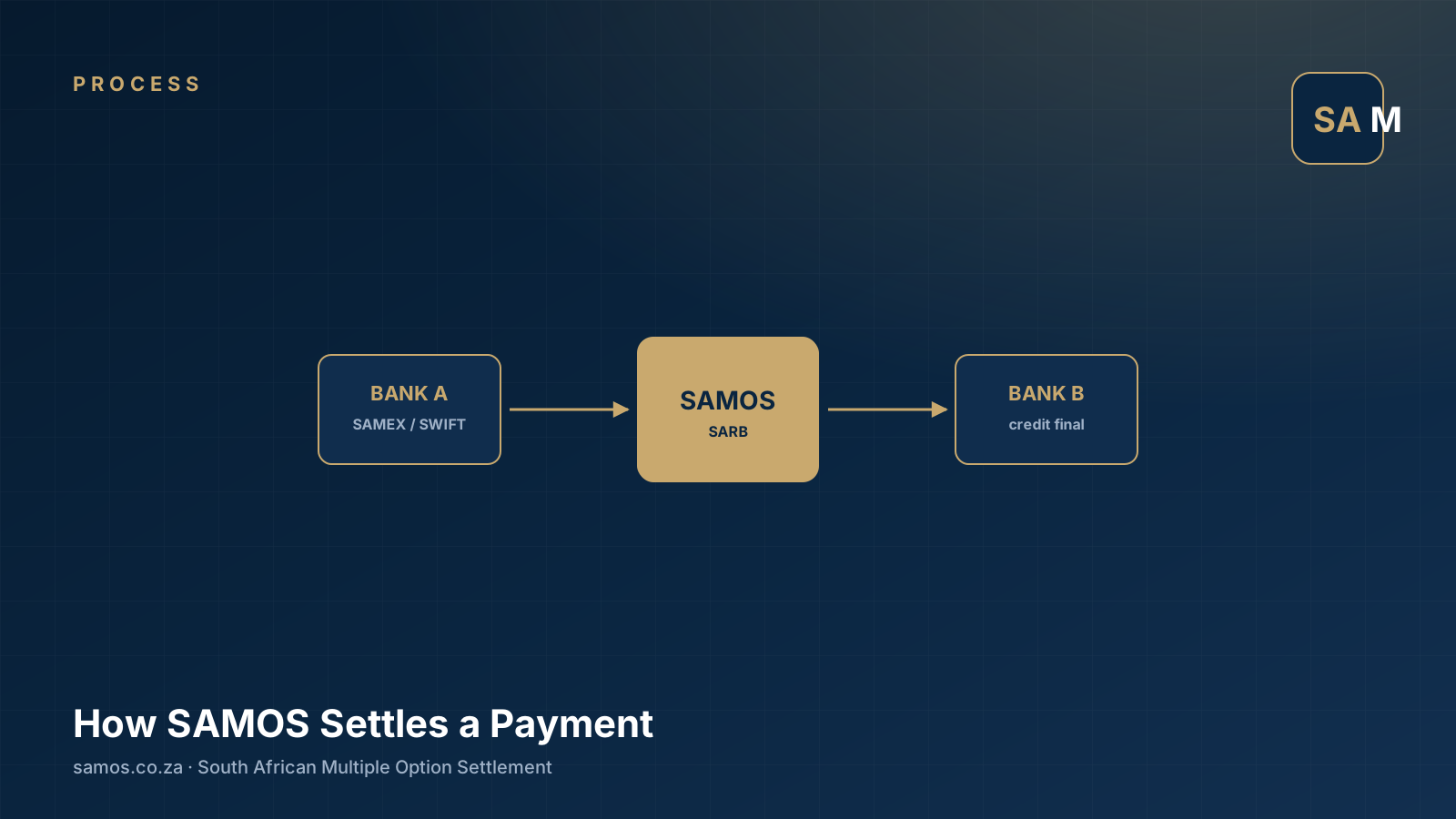
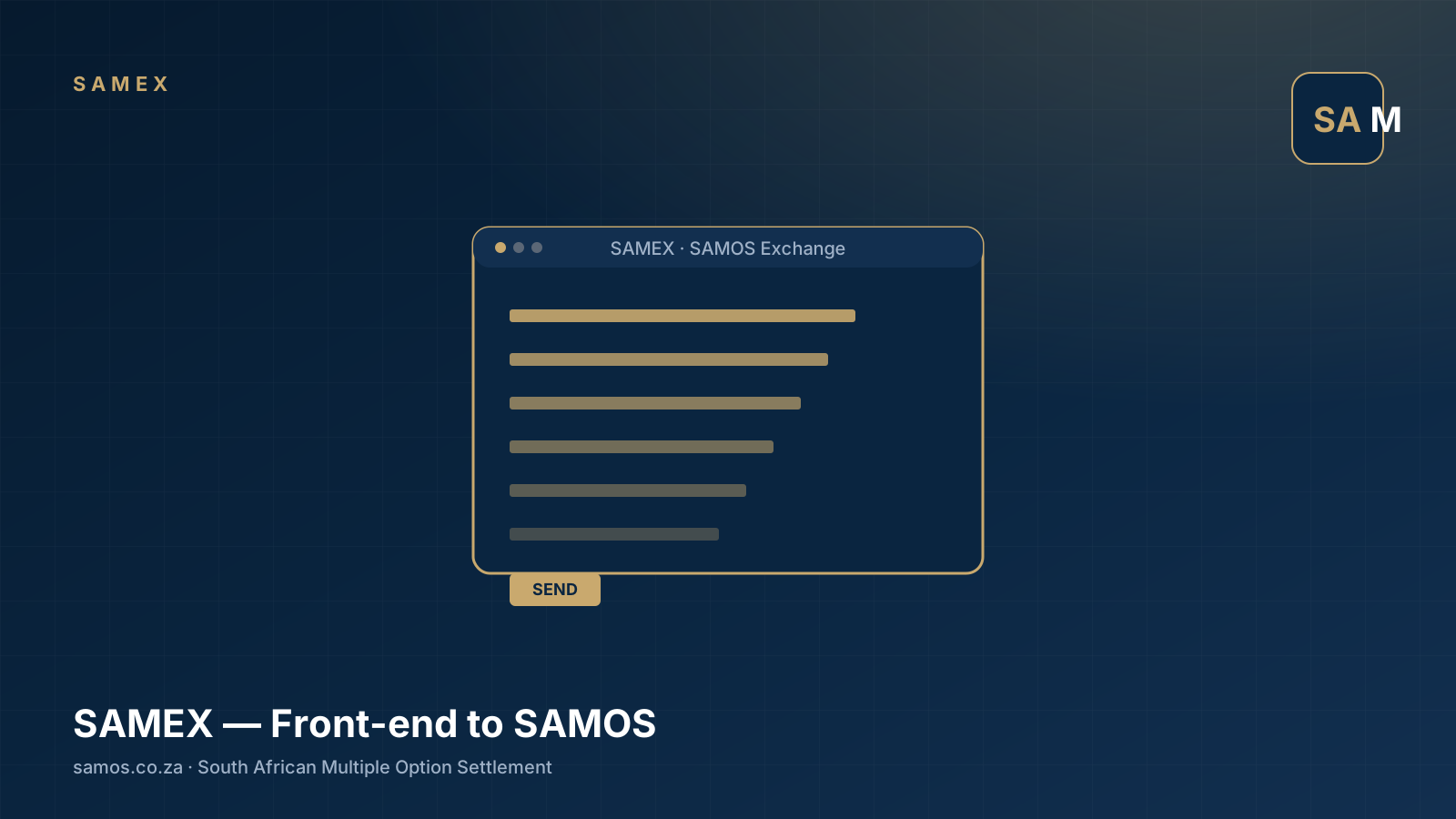
SAMEX (SAMOS Exchange) is the SARB-provided front-end through which participants send instructions to, and receive responses from, SAMOS. It handles authentication, message formatting, queue visibility, and reporting. Banks typically use SAMEX, SWIFT, or both in combination; under ISO 20022 the message library is being modernised.
What SAMEX does
SAMEX sits at the participant edge of the SAMOS infrastructure. It is the application a bank's operations team uses to monitor outgoing settlement instructions, view the queue, watch incoming credits, and pull intraday reports on settlement-account positions.
From a technical standpoint, SAMEX handles authentication of participant connections, validation of message formats, and transformation of business messages into the formats SAMOS expects.
SAMEX vs SWIFT — which do banks use?
Participants can connect to SAMOS via SAMEX, via SWIFT messaging, or via a hybrid combining both. SWIFT is the global financial messaging network; for cross-border payments and for participants with existing SWIFT infrastructure, SWIFT connectivity is natural. SAMEX, by contrast, is purpose-built for the South African domestic settlement workflow.
Many banks use SWIFT for inbound and outbound payment instructions and rely on SAMEX for operational monitoring, queue management, and reporting.
SAMEX and the ISO 20022 migration
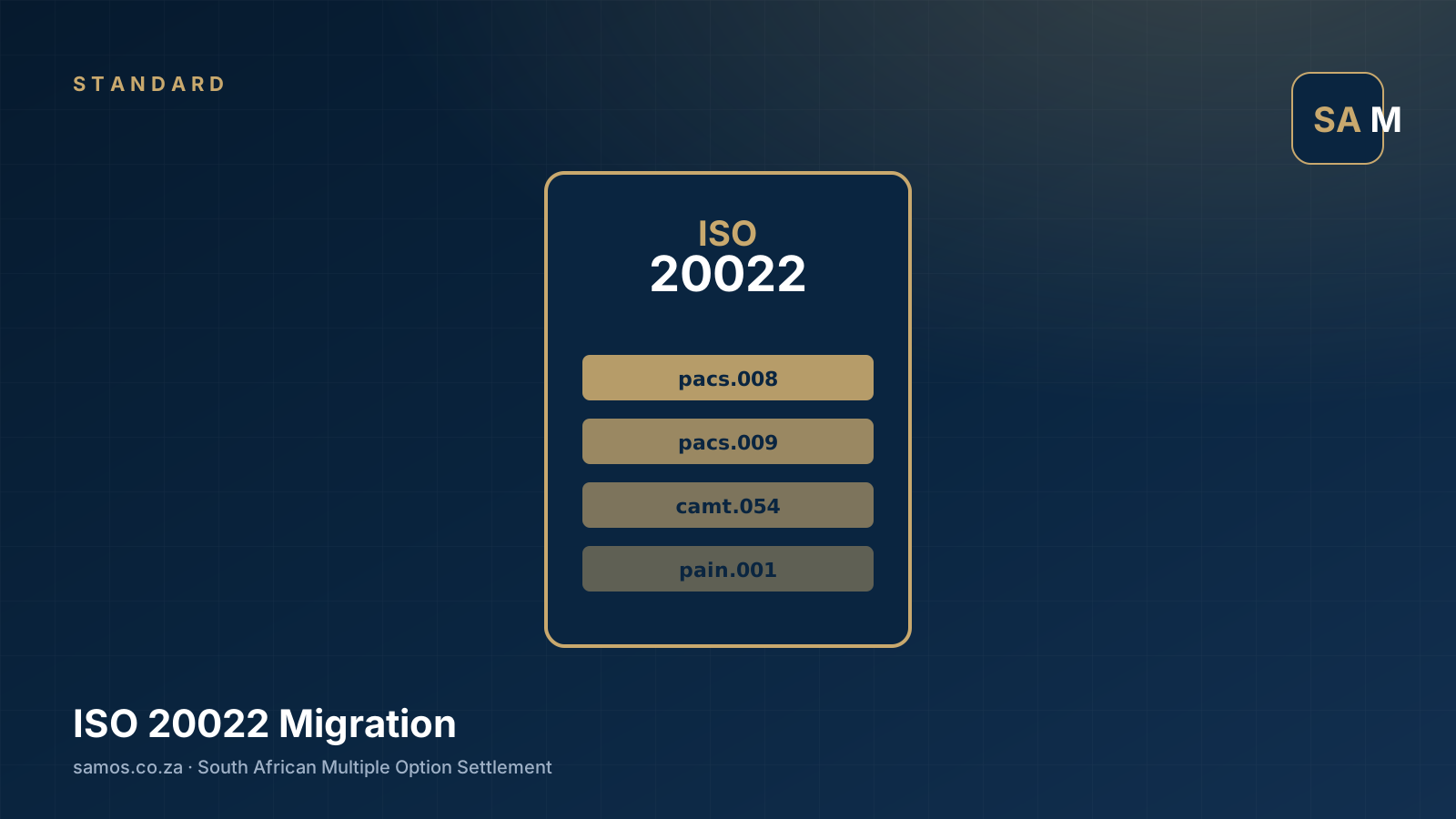
Under the ISO 20022 migration, the message library used by SAMEX is being modernised to the pacs.* (payments clearing and settlement) and camt.* (cash management) families. This brings richer payment data — structured remittance information, end-to-end identifiers, party identification — and improves interoperability with international payment systems already on ISO 20022.
Reporting and operational monitoring
SAMEX provides participants with intraday account position reports, queued-instruction views, settlement confirmations, and end-of-day statements. These are the primary tools by which a participant's back-office team manages liquidity and reconciles its settlement activity.
TL;DR
- SAMEX is the SARB front-end participants use to interact with SAMOS.
- It handles authentication, message formatting, queue visibility, and reporting.
- Banks typically combine SAMEX with SWIFT messaging.
- ISO 20022 brings a modernised message library to SAMEX going forward.
Frequently asked questions
What does SAMEX stand for?
SAMOS Exchange — the participant-facing interface to the SAMOS settlement system.
Do banks have to use SAMEX?
Participants need a way to connect to SAMOS; most use SAMEX, SWIFT, or both. The exact configuration is each bank's choice within SARB rules.
Is SAMEX changing under ISO 20022?
Yes — the underlying message library is being modernised to ISO 20022 pacs.* and camt.* formats.
Who provides SAMEX?
SARB, as part of the SAMOS infrastructure.
See also from our Ecosystem silo: STRATE Settlement: Securities Settlement in SAMOS and Real-Time Clearing (RTC) in South Africa Explained. For the foundations, return to the SAMOS homepage or browse the full Knowledge Hub.