Quick answer
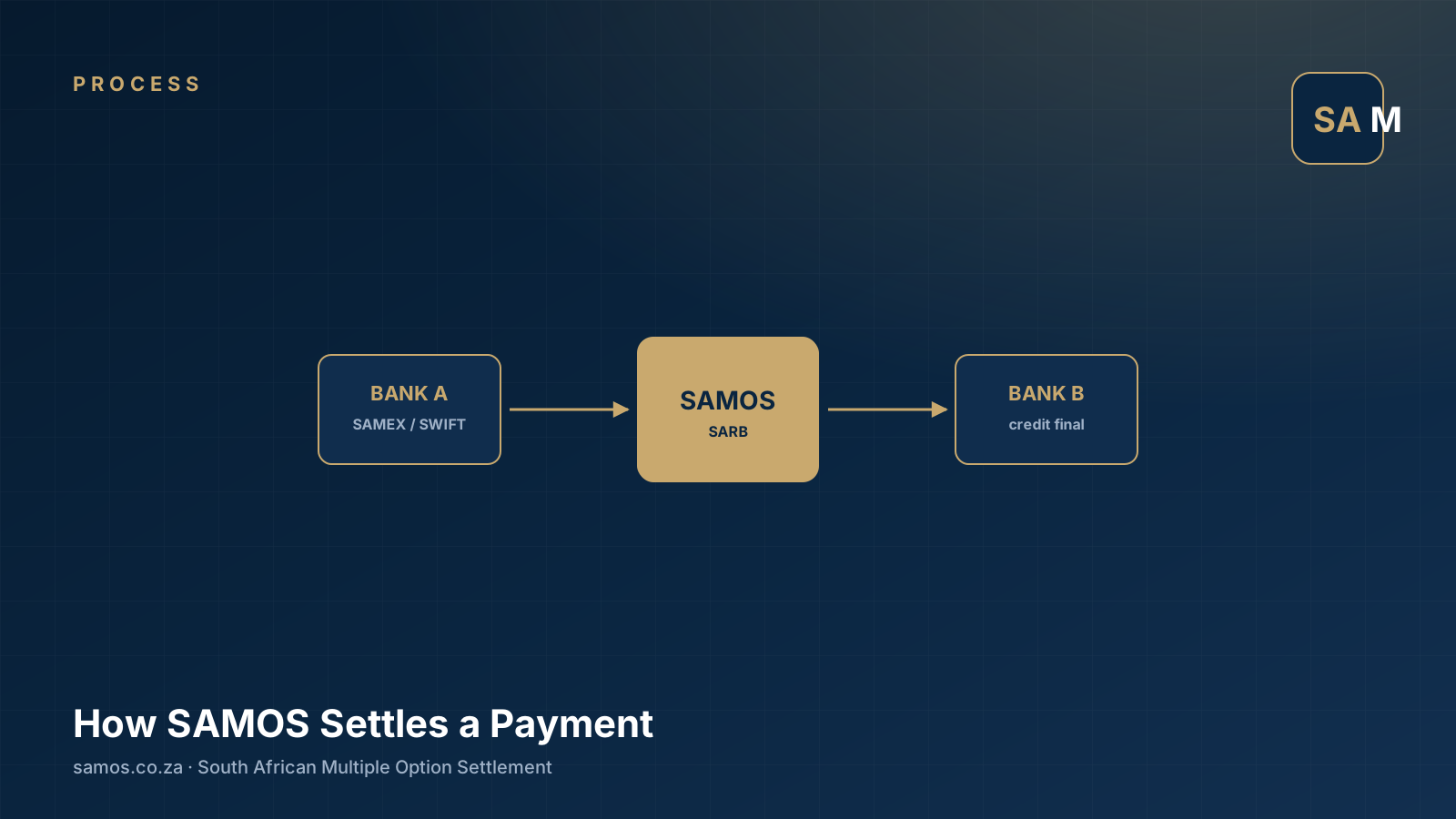
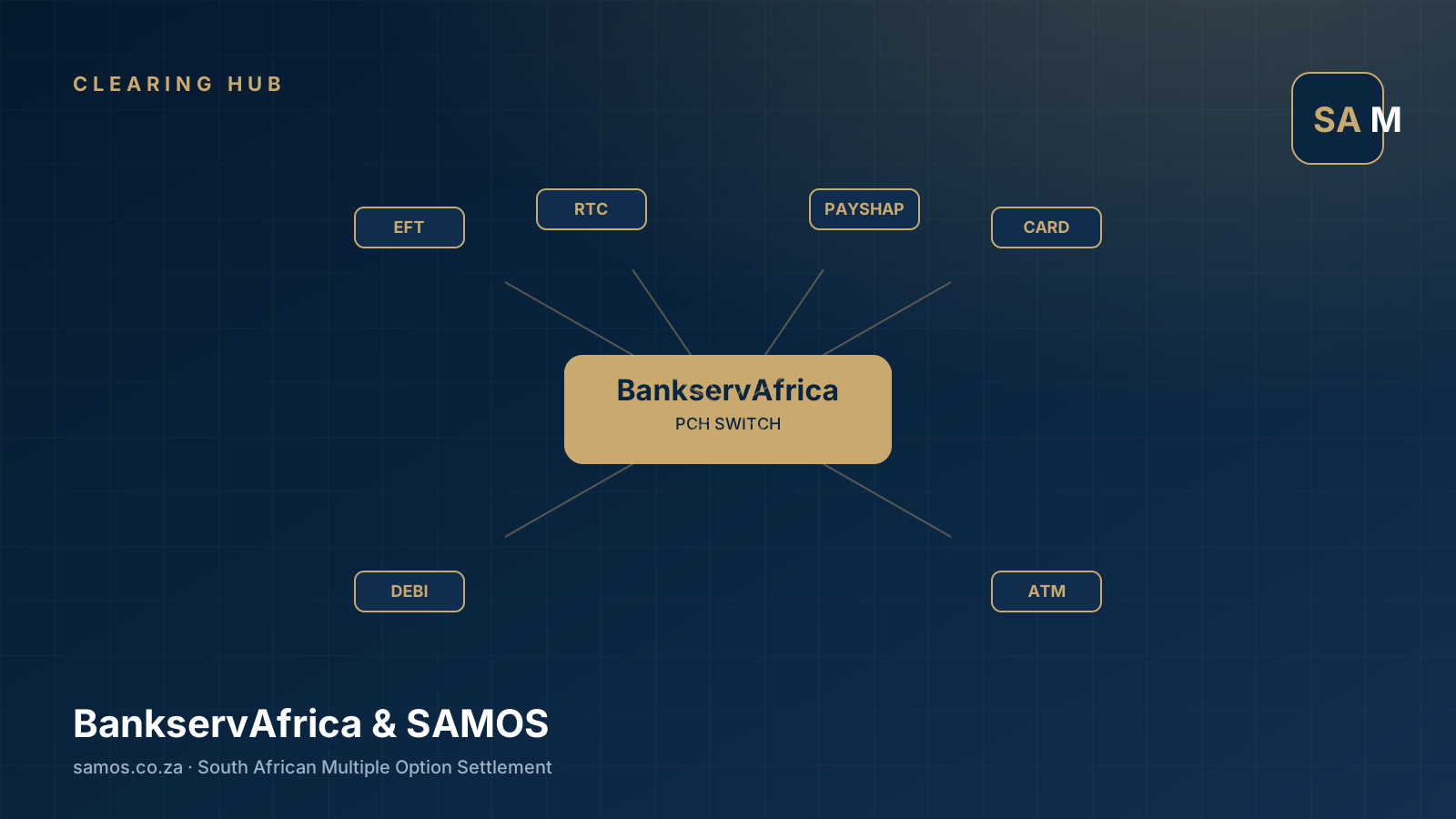
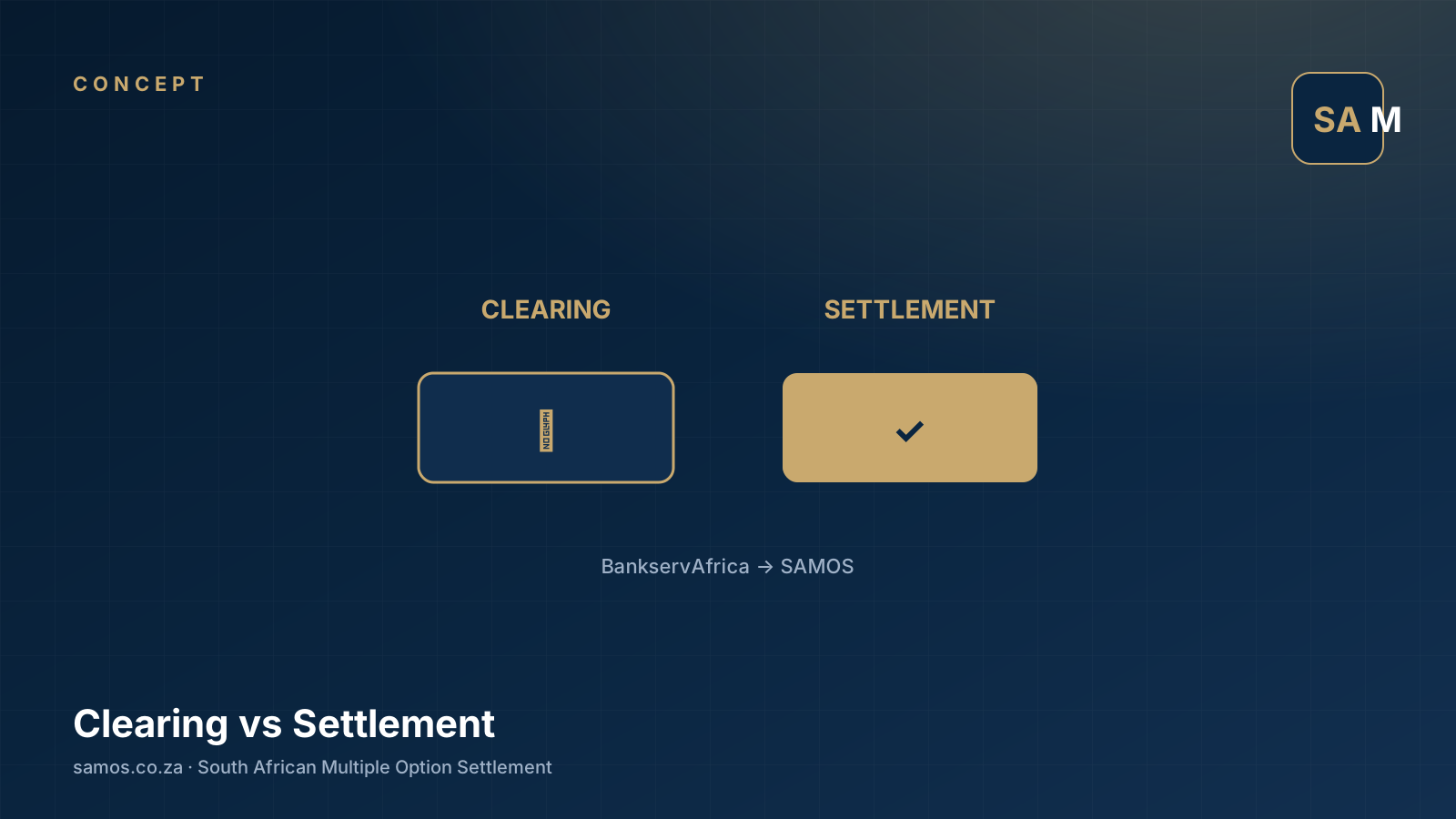
Clearing is the matching, validating, and netting of payment instructions between banks. Settlement is the actual movement of value between their accounts at the central bank. In South Africa, BankservAfrica does most clearing; SAMOS does the settlement. Both steps are essential — clearing without settlement is just bookkeeping; settlement without clearing is risky.
Strict definitions
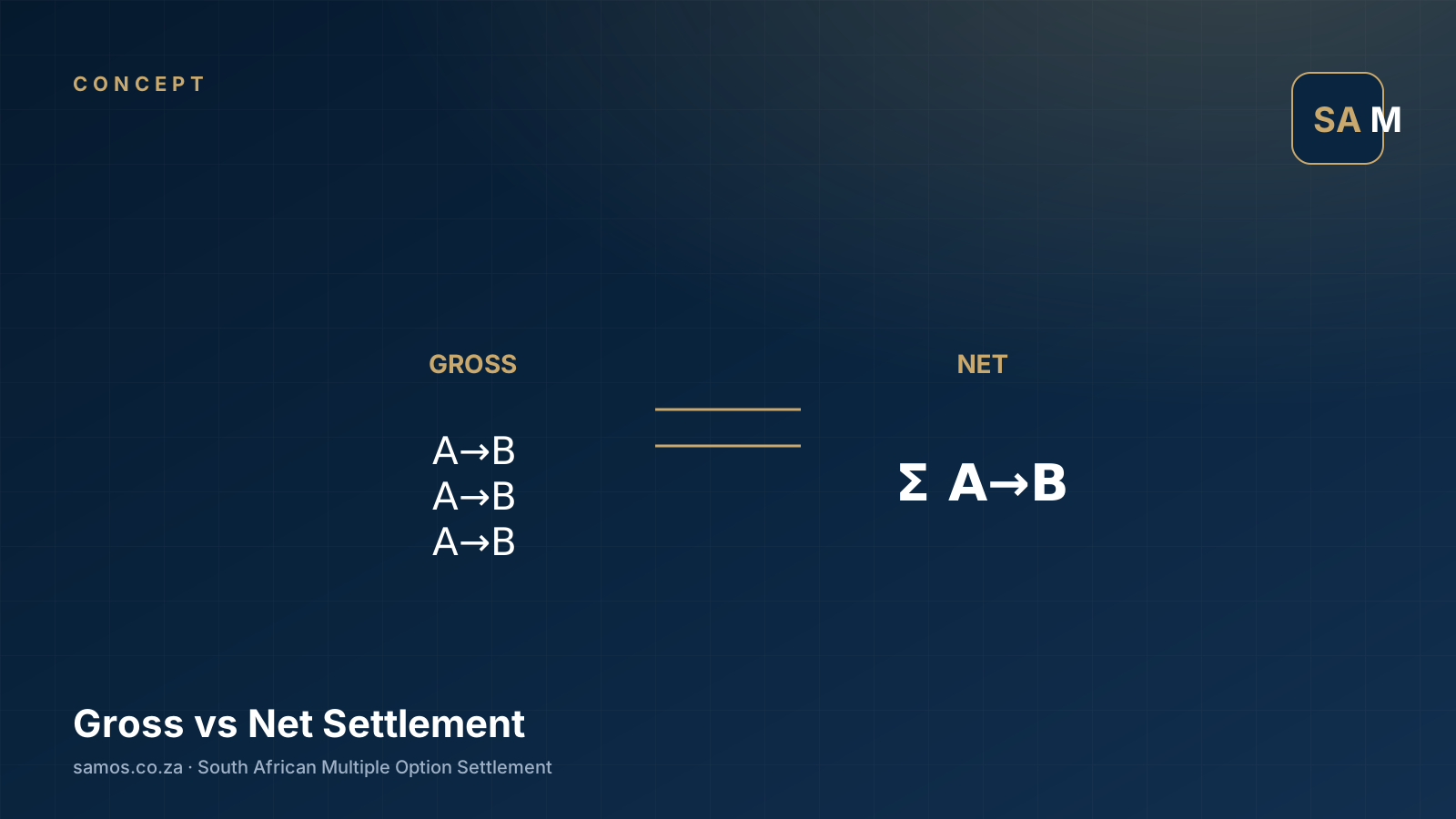
Clearing covers the operational steps that translate raw payment instructions into a set of obligations between banks: validation, sequencing, matching, exception handling, and (in net systems) computing the net amount each bank owes or is owed.
Settlement is the discharge of those obligations by transferring value — typically central-bank money — between the participants' accounts at a central bank.
Examples
- EFT credit: BankservAfrica clears overnight; SAMOS settles net obligations at the agreed window.
- PayShap: The transaction clears in seconds in BankservAfrica's PayShap system; the underlying settlement runs at scheduled windows in SAMOS.
- Equity trade: The JSE matches the trade; STRATE clears and computes the leg-by-leg movements; STRATE securities leg settles atomically with the SAMOS cash leg.
- High-value bank transfer: Effectively cleared and settled in one step in SAMOS, since RTGS is gross and individual.
Why the distinction matters for risk
Between clearing and settlement, banks are exposed to each other — a fail in settlement can ripple back to the underlying customer transactions. Net settlement systems concentrate this risk; RTGS systems like SAMOS eliminate it for the high-value lane.
TL;DR
- Clearing = matching and netting instructions.
- Settlement = transferring value between bank accounts at SARB.
- BankservAfrica clears; SAMOS settles.
- RTGS effectively merges clearing and settlement for high-value payments.
Frequently asked questions
Is clearing the same as settlement?
No. Clearing computes obligations; settlement discharges them.
Does PayShap clear and settle at the same time?
Customer-facing clearing is instant; underlying settlement at SAMOS runs at scheduled windows that occur frequently enough to support the customer experience.
Why does the distinction matter?
Settlement risk lives in the gap between the two. RTGS systems eliminate the gap for individual high-value transactions.
Where does securities clearing fit?
STRATE clears and settles the securities leg; SAMOS settles the cash leg. Together they implement delivery-versus-payment.
See also from our Comparison silo: SADC-RTGS vs SAMOS: Regional vs Domestic Settlement and Settlement Finality in SAMOS: Why It's Irrevocable. For the foundations, return to the SAMOS homepage or browse the full Knowledge Hub.