Quick answer
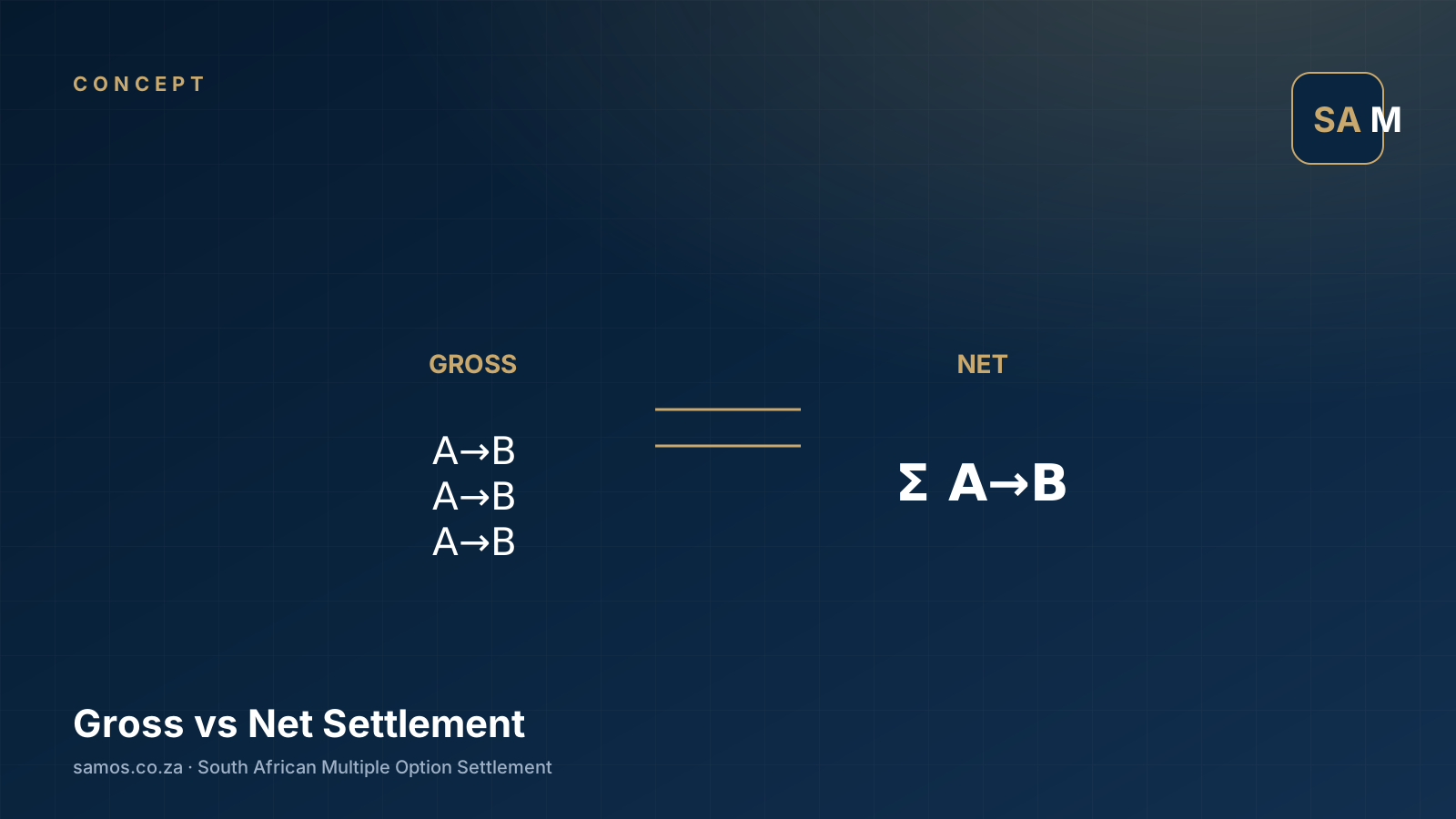
Gross settlement transfers value for each payment individually, the moment the payment is processed. Net settlement aggregates many payments and transfers only the net amount each participant owes or is owed. Gross is fast and risk-free but liquidity-hungry; net is liquidity-efficient but concentrates settlement risk. SAMOS uses both — RTGS for high-value, batch net for retail clearing.
Gross settlement
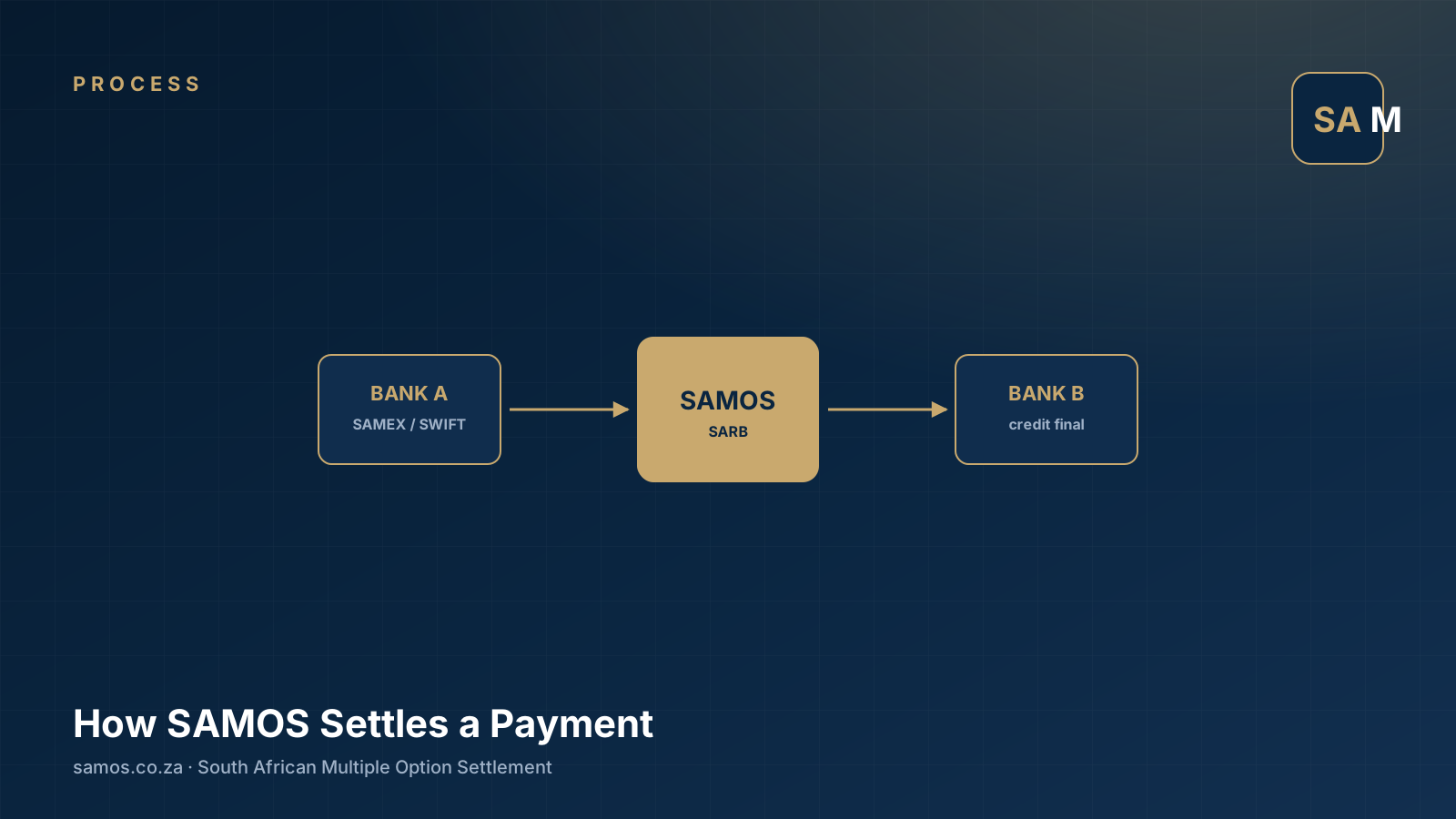
Each payment settles independently. The sending bank's account is debited; the receiving bank's account is credited; the system moves on to the next instruction. There is no netting, no aggregation, and (in central-bank money) no settlement risk between counterparties.
The cost is liquidity: a sending bank needs the full payment amount available, in real time, to send the payment.
Net settlement
Many payments accumulate over a window (often a day). At settlement time, the system computes how much each participant owes net of incoming payments and settles only those net amounts. Liquidity-efficient, because intraday mutual offsets reduce the value to be moved.
The cost is risk: between the start of the window and the settlement moment, banks have credited customers on the strength of incoming payments that have not yet settled. A participant failure before settlement can cascade.
Why SAMOS uses both
For high-value payments where settlement risk is unacceptable, SAMOS uses RTGS — gross, in real time. For retail PCH outputs where individual settlement would be wasteful, SAMOS supports batch settlement of net positions. The two approaches coexist on the same platform across separate workflows.
TL;DR
- Gross = each payment settled individually; risk-free but liquidity-hungry.
- Net = bundled and offset; liquidity-efficient but concentrates settlement risk.
- SAMOS combines both: RTGS for high-value, batch net for retail PCH outputs.
- The choice is a classic risk-versus-liquidity trade-off.
Frequently asked questions
Is net settlement risky?
It concentrates settlement risk between participants during the window, which is why systemically important payments use RTGS instead.
Does SAMOS net?
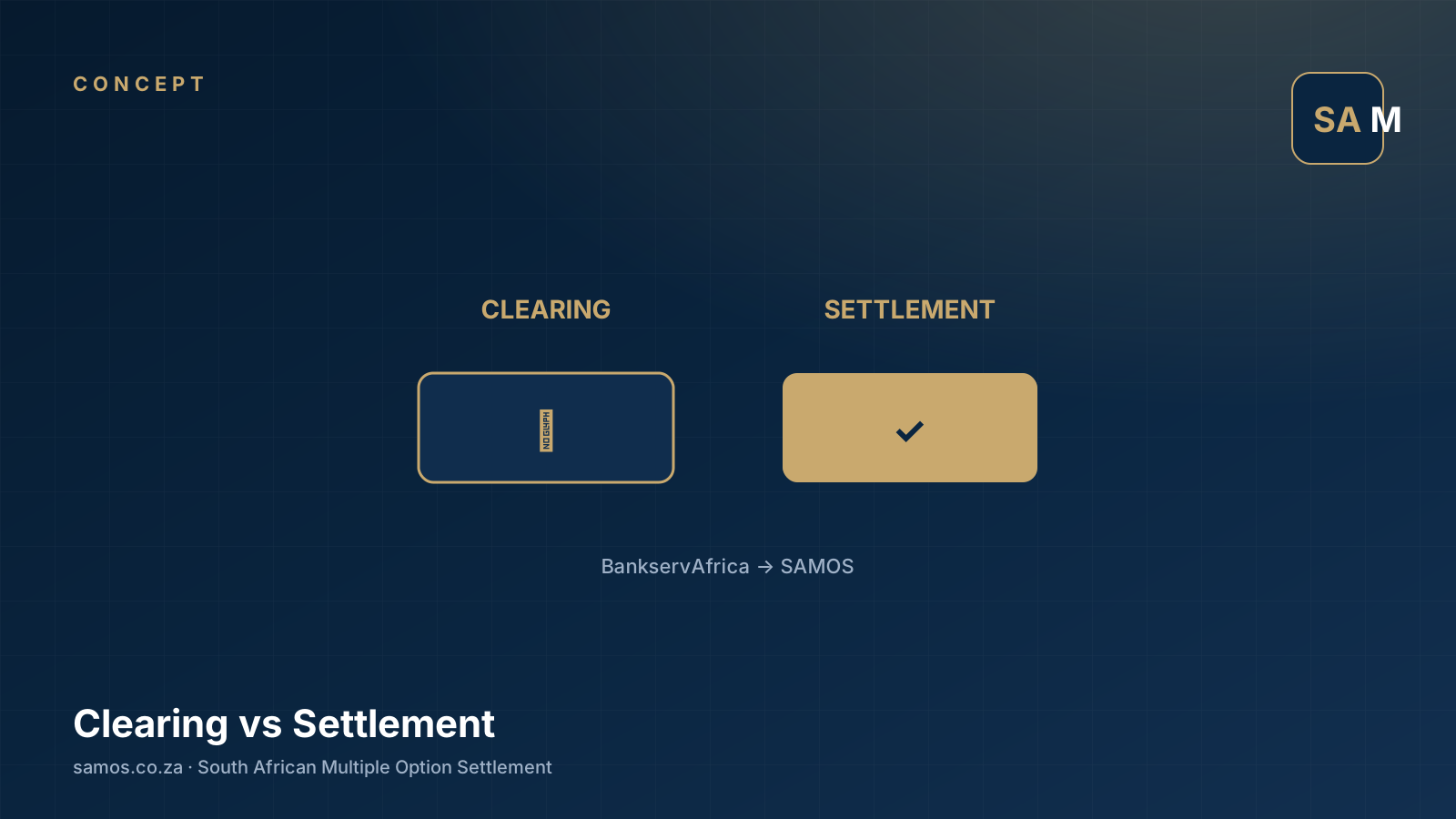
Yes — for retail PCH outputs that arrive as pre-netted positions from BankservAfrica. RTGS instructions are gross.
Is gross settlement more expensive?
Operationally yes (more messages, more liquidity), but it eliminates settlement risk for individual transactions.
Why do central banks prefer RTGS for high-value?
Because the failure of a single large net-settlement obligation could destabilise the system.
See also from our Ecosystem silo: The Role of SARB in the South African Payment Ecosystem and STRATE Settlement: Securities Settlement in SAMOS. For the foundations, return to the SAMOS homepage or browse the full Knowledge Hub.