Quick answer
Continuous Linked Settlement (CLS) is the global FX settlement system that eliminates Herstatt risk by settling both legs of an FX trade simultaneously. The South African rand became CLS-eligible in 2004, with SAMOS providing the rand leg of every CLS-settled trade involving ZAR.
What CLS is
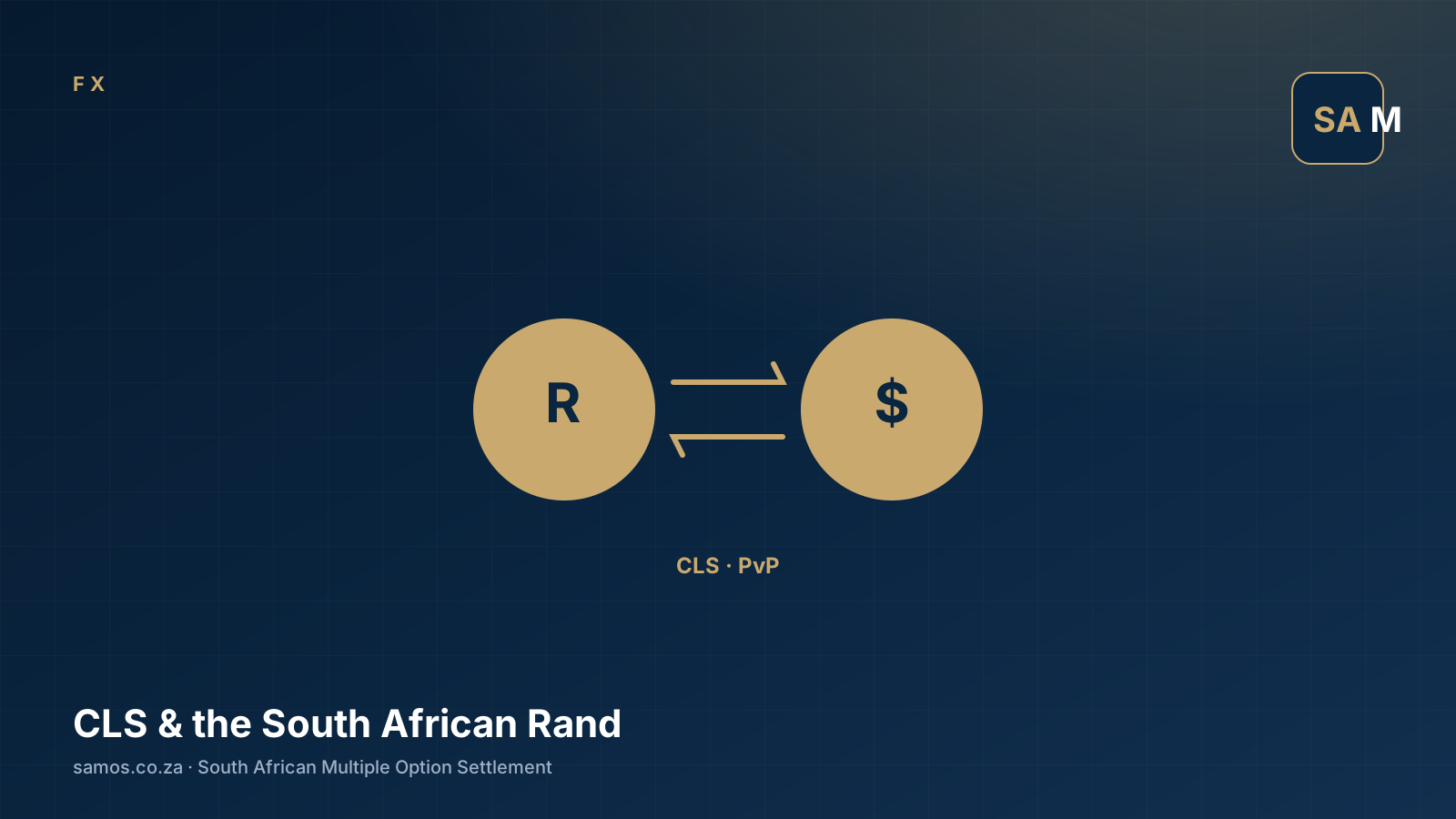
CLS Bank operates a multi-currency settlement system that settles FX trades on a payment-versus-payment (PvP) basis: both currency legs settle simultaneously, or neither does. This eliminates the classical Herstatt risk in which one party pays and the counterparty fails before paying back.
The rand in CLS
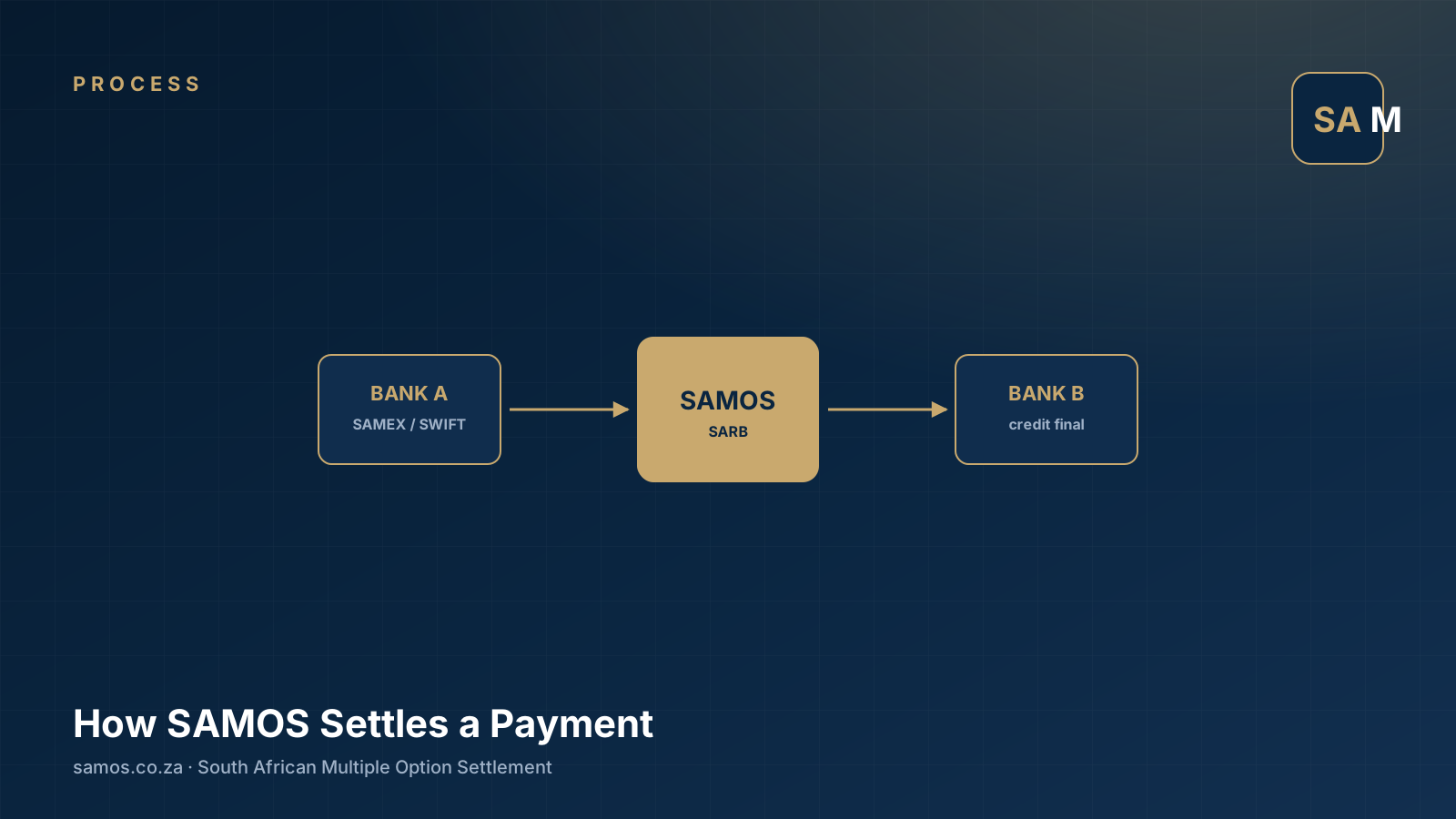
The rand was added as a CLS-eligible currency in 2004. For every FX trade involving ZAR settled through CLS, the rand leg ultimately settles in SAMOS — the only place in the world where rand central-bank money lives.
Why this matters
Without CLS, the rand leg of a USD/ZAR trade would settle separately from the dollar leg, with each party trusting the other to honour their side. CLS replaces that trust with PvP atomicity, materially reducing systemic risk in FX markets.
TL;DR
- CLS = global payment-versus-payment FX settlement system.
- Eliminates Herstatt risk by settling both legs atomically.
- Rand has been CLS-eligible since 2004.
- The rand leg of every CLS-settled ZAR trade flows through SAMOS.
Frequently asked questions
When did the rand join CLS?
2004.
What is Herstatt risk?
The risk that one party to an FX trade pays its leg and the counterparty fails before paying back. CLS eliminates it through PvP.
Does every ZAR FX trade go through CLS?
No — only those settled via CLS-eligible counterparties. Others settle bilaterally with the associated risks.
Where does the rand leg actually post?
In SAMOS, against SARB-held settlement accounts.
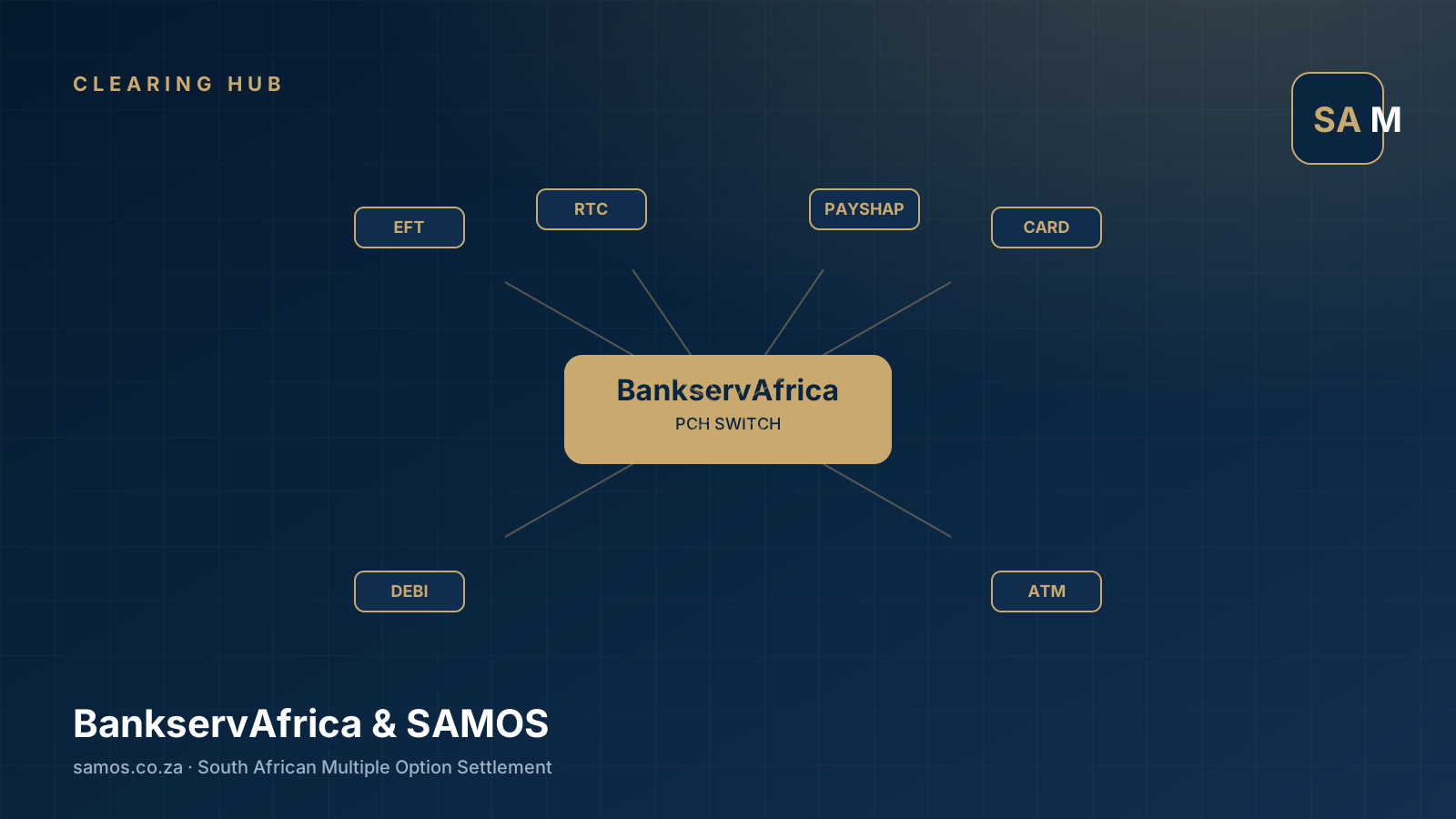
See also from our Modernization silo: NPS Vision 2025 vs Vision 2030+: What's Changed? and BankservAfrica & SAMOS: How They Work Together. For the foundations, return to the SAMOS homepage or browse the full Knowledge Hub.