Quick answer
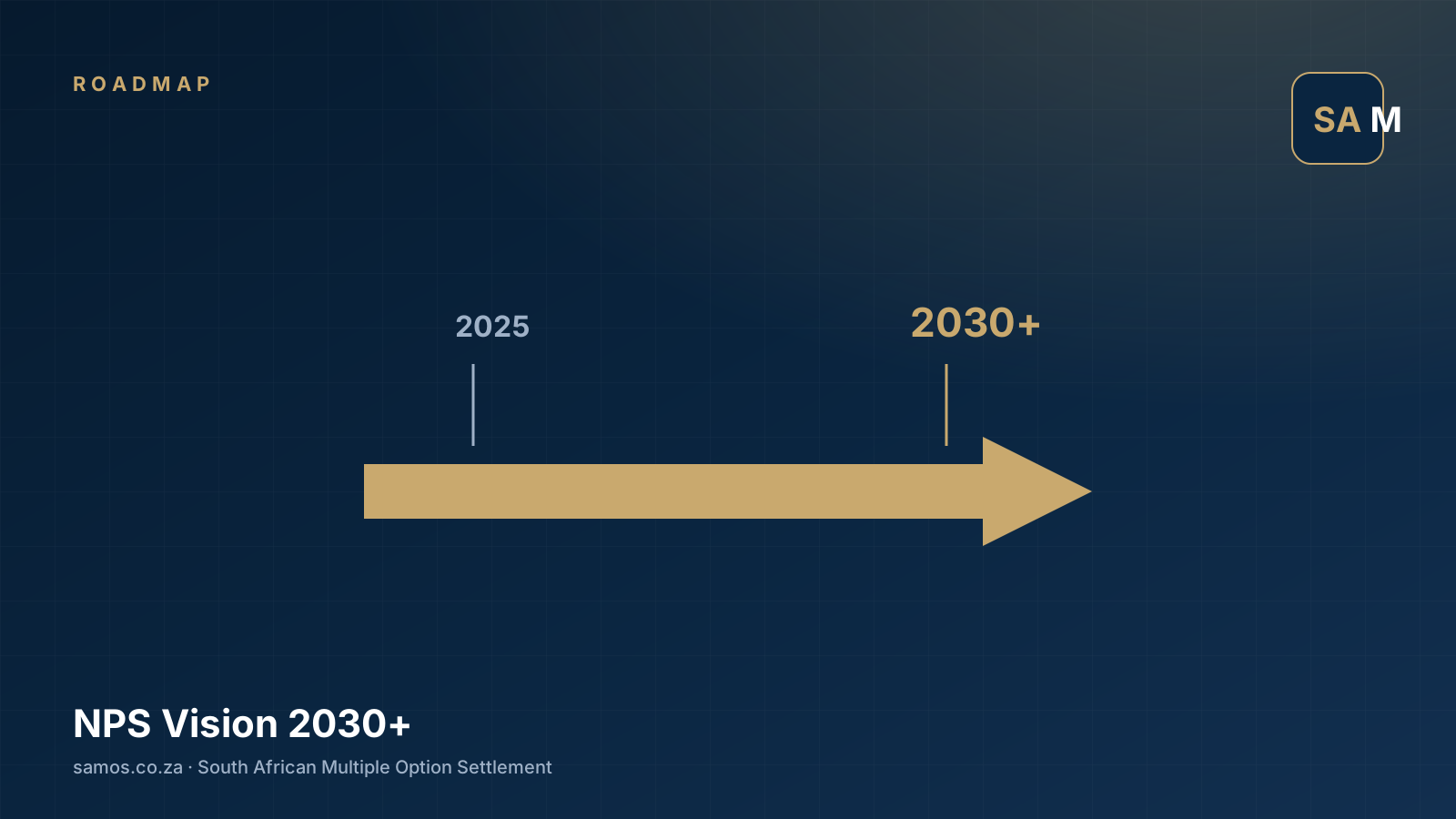
The Payments Ecosystem Modernisation (PEM) Programme is SARB's umbrella initiative to deliver Vision 2030+. It coordinates RTGS renewal, ISO 20022 migration, governance reform (PASA to a Payments Industry Body), and the National Payments Utility concept. SAMOS sits at the centre of several of these workstreams.
What PEM is
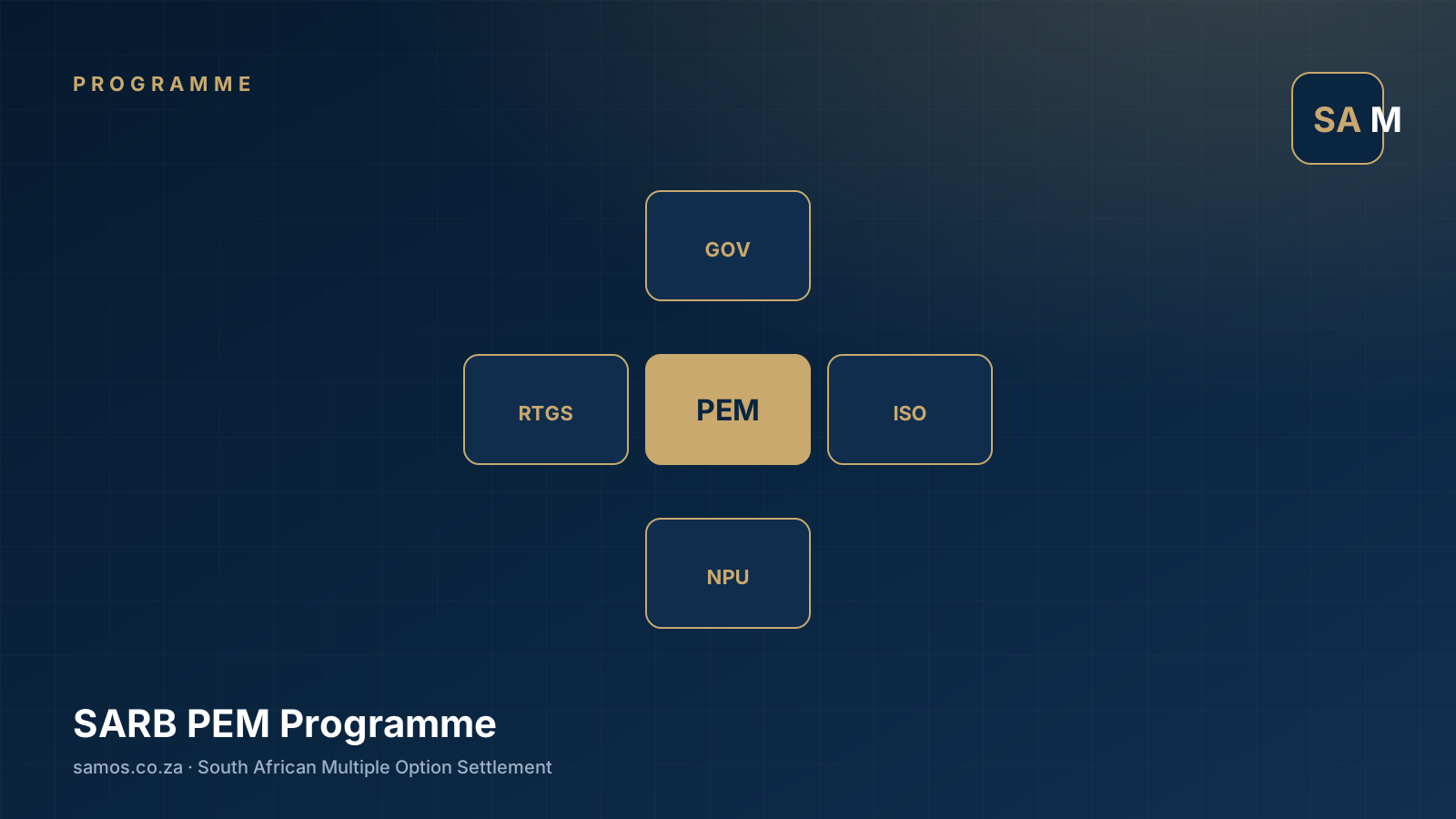
PEM is the SARB's coordinated, multi-year, multi-workstream programme to translate the strategic objectives of Vision 2030+ into operational change across the National Payment System. It includes infrastructure modernisation, messaging-standard adoption, governance reform, access widening, and inclusion-focused product development.
Workstreams in PEM
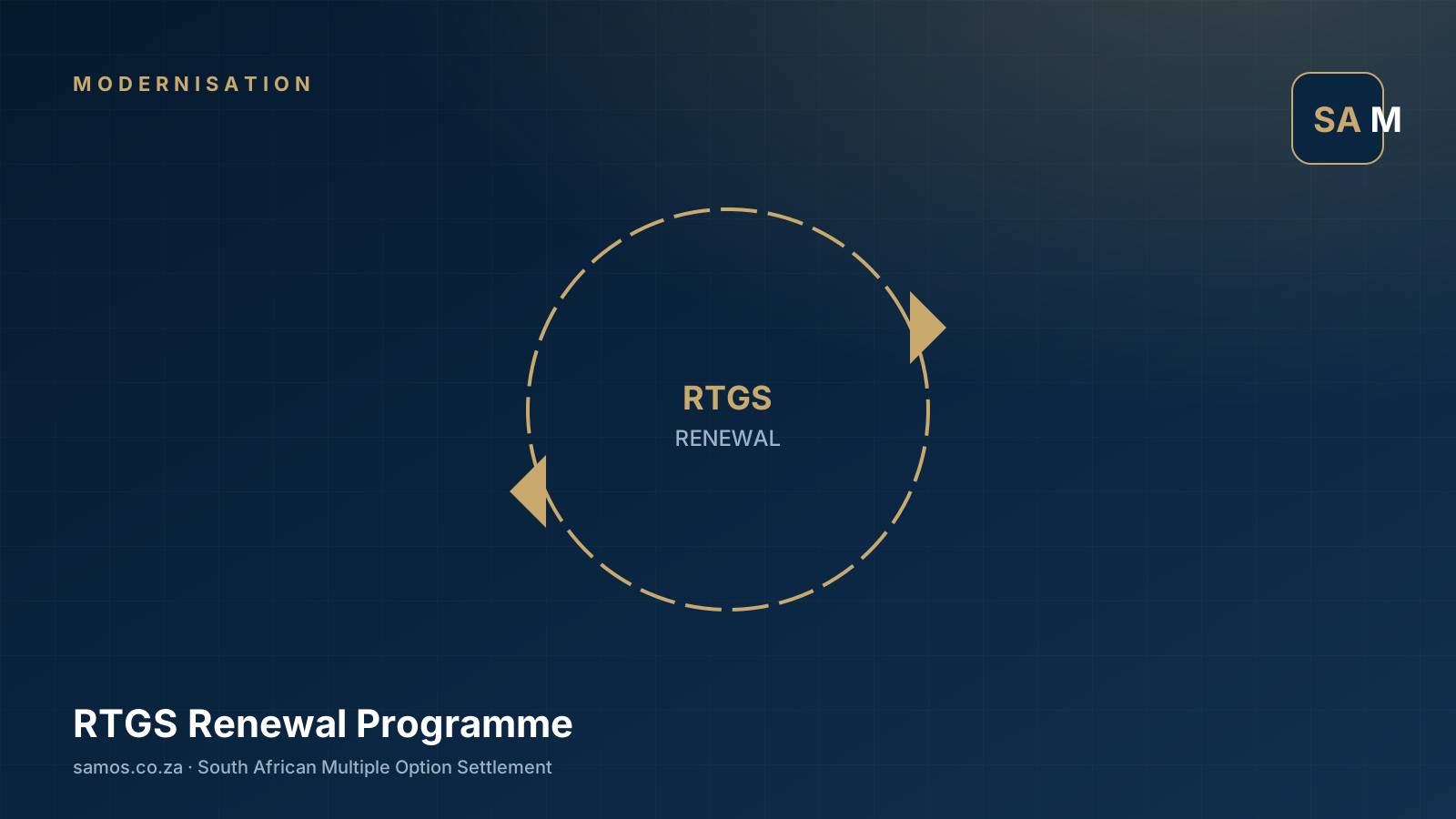
- RTGS Renewal — modernising SAMOS.
- ISO 20022 migration — messaging-standard adoption across SAMOS and BankservAfrica.
- Governance reform — transition from PASA to a Payments Industry Body.
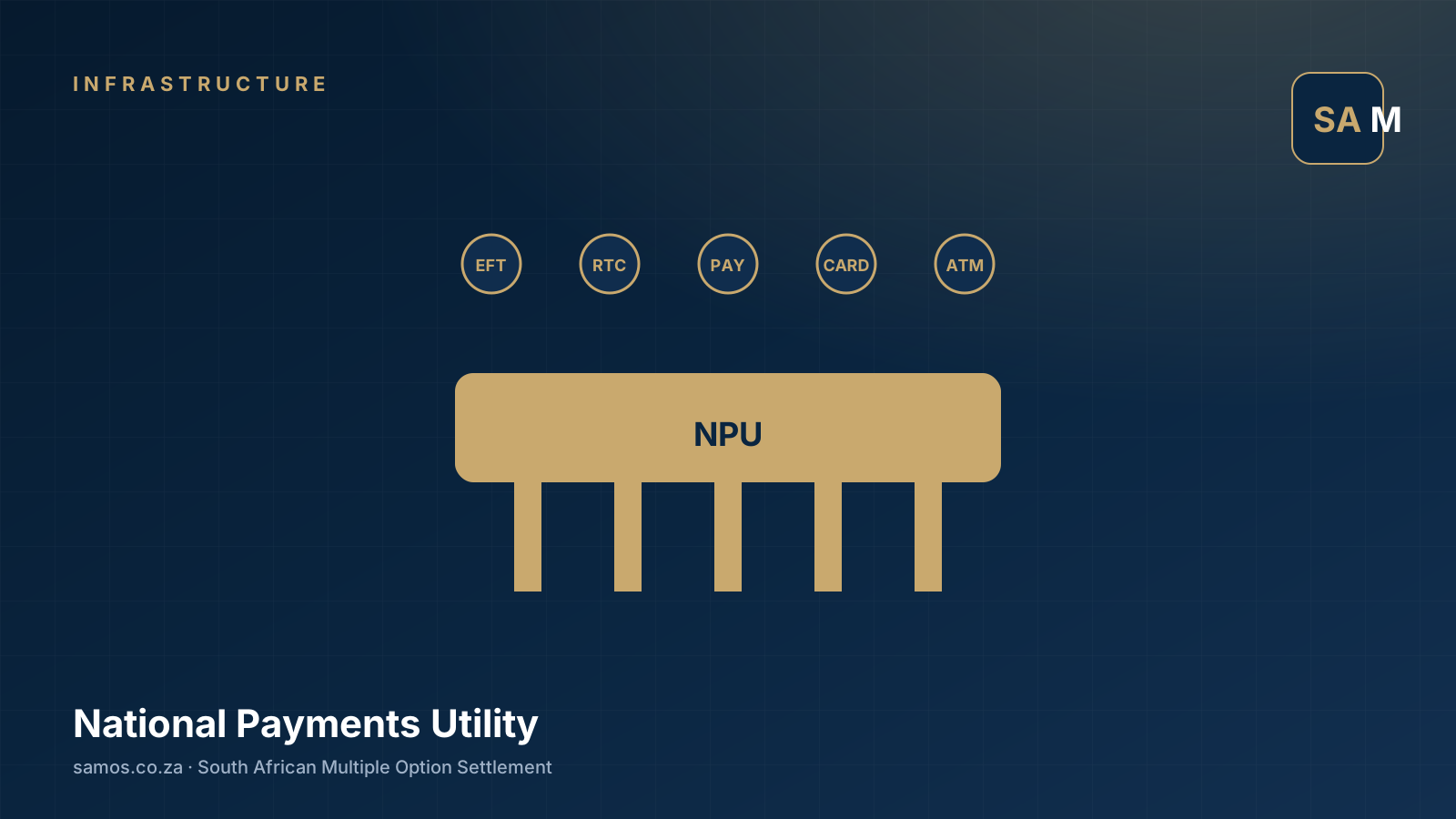
- National Payments Utility — design and build of a shared industry infrastructure.
- Financial inclusion — improving access for under-served populations.
How SAMOS fits
SAMOS sits at the centre of the RTGS Renewal stream, ISO 20022 migration stream, and (indirectly) the National Payments Utility design.
TL;DR
- PEM = umbrella programme delivering Vision 2030+.
- Workstreams: RTGS renewal, ISO 20022, governance reform, NPU, inclusion.
- SAMOS is central to several of those streams.
- Multi-year, coordinated with industry.
Frequently asked questions
Who runs PEM?
SARB's National Payment System Department, with extensive industry consultation.
How long will PEM take?
Multi-year, with phased milestones. Specific dates are revised over the programme's life.
Is PEM only about technology?
No — governance, access, and financial inclusion are equal pillars alongside the technology modernisation.
Where can I follow PEM progress?
SARB's NPS Department publications and industry communications via PASA.
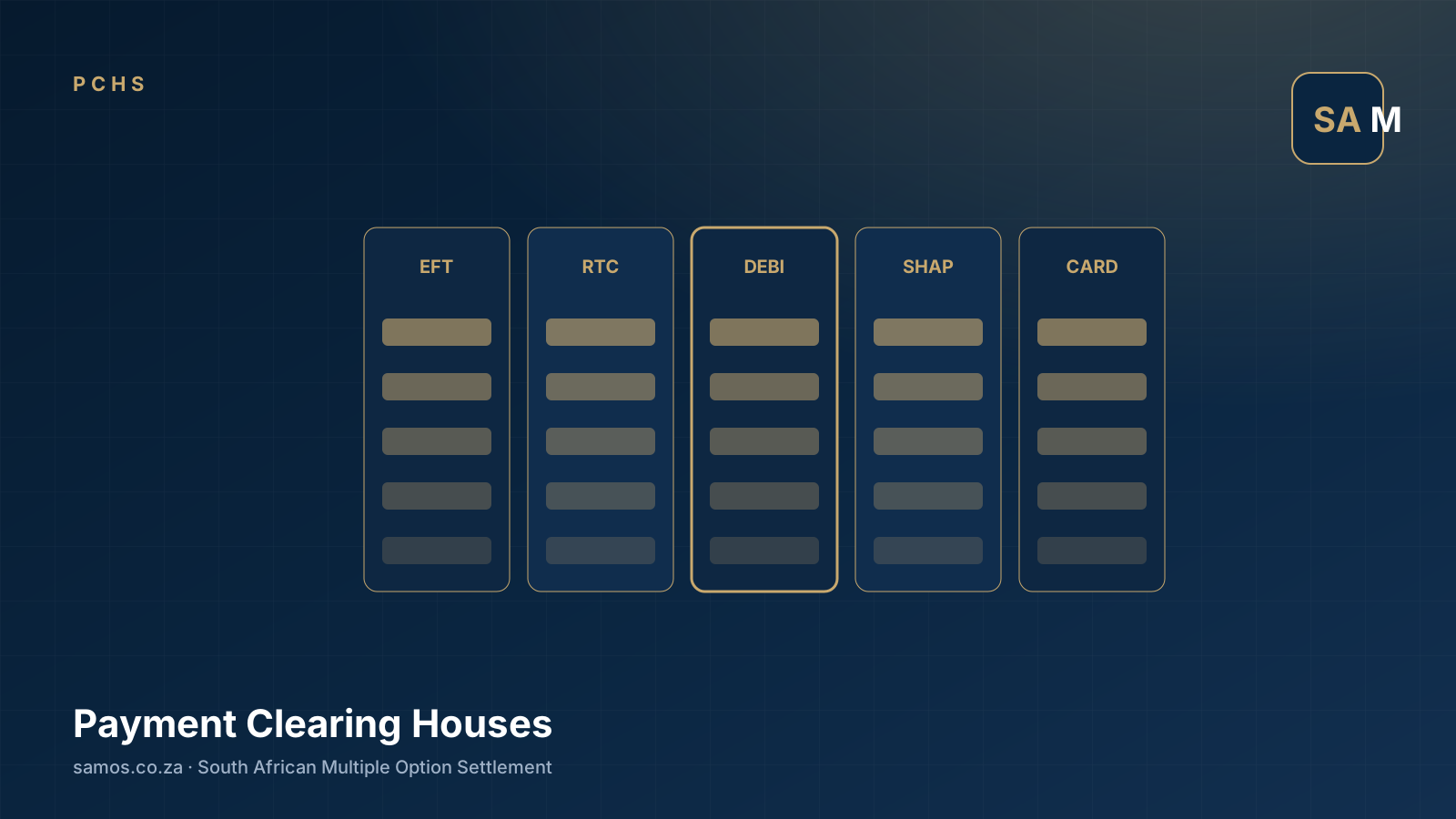
See also from our Ecosystem silo: Payment Clearing Houses (PCHs) in South Africa and PayShap vs RTC vs EFT: Choosing the Right Payment Method. For the foundations, return to the SAMOS homepage or browse the full Knowledge Hub.